
Tips for growers who navigate seasonal changes across the Fraser Valley, Vancouver Island, and the BC Interior.

Spring is a beautiful thing, especially in British Columbia. We’re ready to see grey skies finally turn blue and the damp chill finally warm up.
And wherever you are in the province — if the blooms are out well before the calendar says “spring” or winter holds on until April — the shift from winter to spring brings increased moisture, rising temperatures, active critters, fresh growth, and longer days.
Here’s some tips you and your farm crew will want to consider — whether spring is sprung or is on its way.
.
1. Inspect Barn and Property Drainage
BC is a wet province. Whether persistent rain or snowmelt, there is always a lot of moisture or water to manage.
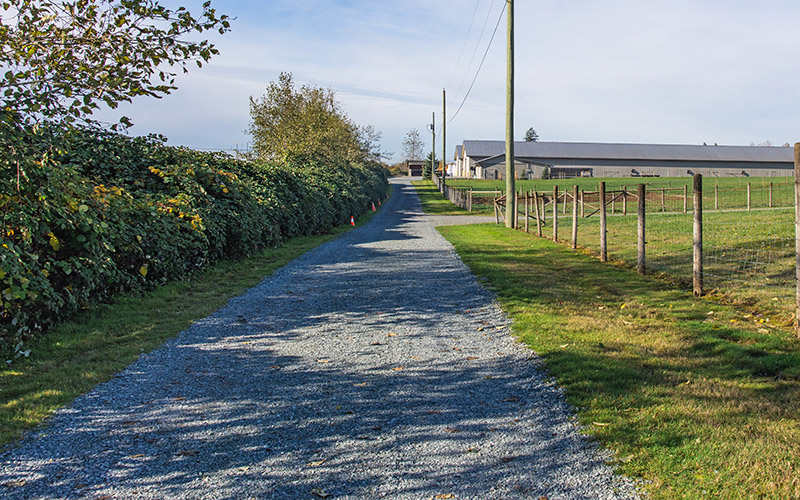
After any heavy rain or snow melt, walk your property. Look for pooling near foundations, laneways, and barn entrances. Poor drainage invites wild birds and even rodents (and the unwelcome diseases they may carry). Clear eavestroughs, check culverts, and redirect standing water. Wet ground near entry points also undermines sanitation — a problem you don’t want at any age of your flock. Some nasty diseases can live in cold water for weeks.
Your driveways might also need attention. Level driveways free of puddles and potholes not only look tidier, it’s appreciated by anyone who comes and goes from the property. This is particularly true during chick placement and bird shipment; a smooth driveway clear of mud and potholes makes for less-stressed birds and satisfies Animal Care protocols.
Simply put, a clean yard leads to healthier birds.
.
2. Strengthen Your Biosecurity
We know all too well that wild bird migration peaks in October and November. But it peaks again across BC from March through May. More birds moving through means higher risk of Avian Influenza (AI) and other pathogens getting on your farm.
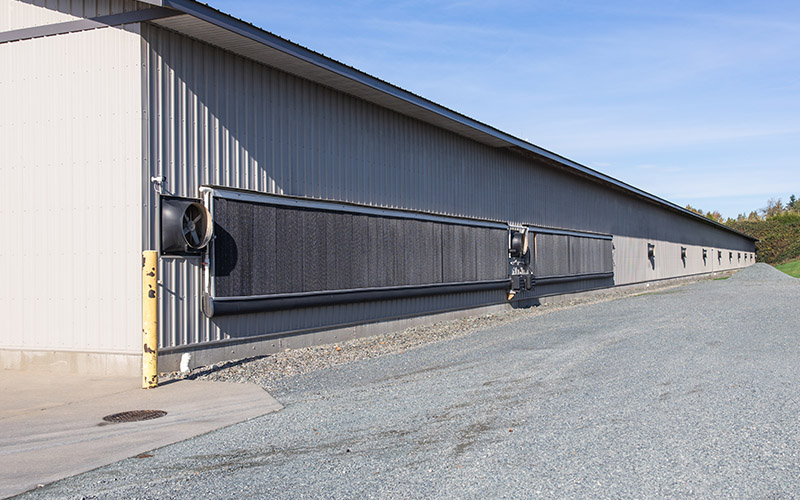
Inspect barn perimeters for gaps and worn ventilation screens. Review protocols with visitors and service personnel. Keep your Controlled Access Zone (CAZ) marked and your entry log current.
Biosecurity is always important, of course — during migration seasons, it’s critical.
3. Refresh Your Rodent and Pest Control
Rodents become active fast when temperatures rise, everywhere in BC. One pair of mice can contaminate up to 10 kg of feed per year and spread Salmonella, Campylobacter, and other pathogens.
Walk your barn exterior. Look for fresh burrow entrances and gnaw marks. Pay extra attention to structures that sheltered pests over winter. Re-bait control stations and log your checks for food safety records. Clear debris piles and cutback vegetation near buildings now, before populations build up.
4. Recalibrate Your Ventilation System
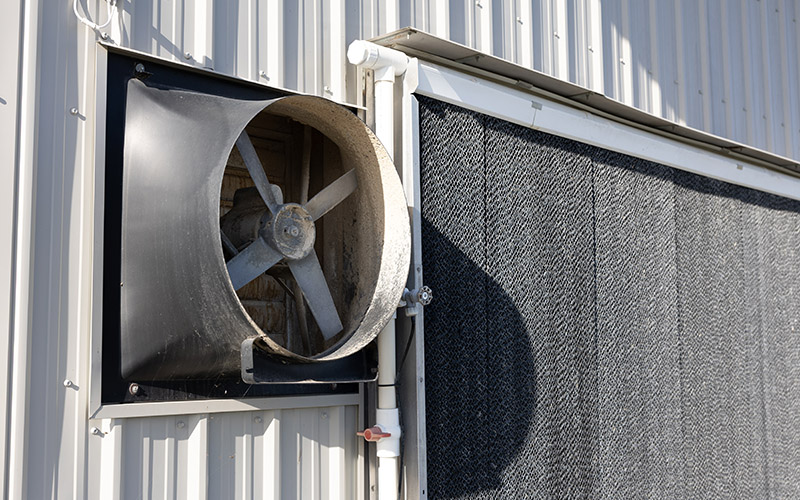
As temperatures climb, barn ventilation needs shift quickly — sometimes dramatically between morning and afternoon. Interior growers know this well, with cold nights and warm days stretching well into spring. Heat stress is a serious concern: research summarized by the CFC shows performance, feed conversion, and flock welfare all drop when house temps and humidty fluctuate — or jump up — too much.
Between flocks, inspect inlets, fans, and controllers. Clean fan blades; dust buildup alone can cut airflow by up to 40%. Recalibrate thermostats and ventilation timers before your next placement.
Be ready for whatever temperature hits you; don’t wait for a hot week to reveal problems.
5. Assess Your Litter Before Spring Placement
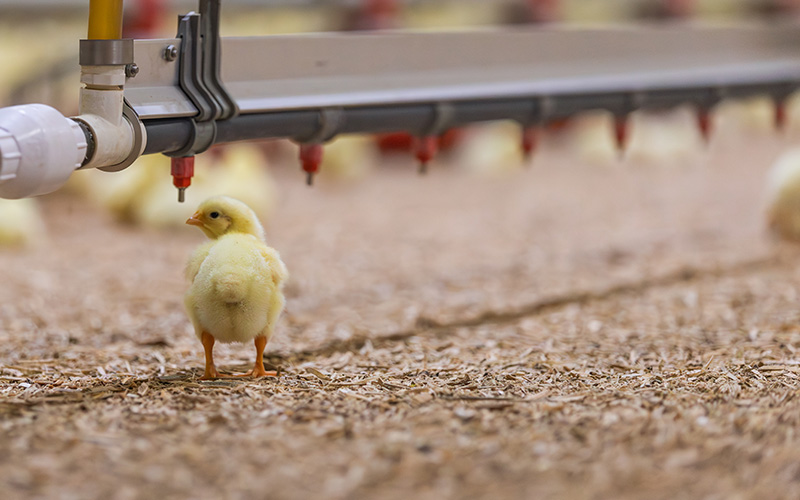
Winter leaves litter compromised — higher moisture, more caking, less microbial activity. It doesn’t matter whether your barn ran cold and dry like many Interior operations, or mild and damp like in the Fraser Valley. Assess before you place. Assess throughout the life of the flock.
Research from the CFC and Ontario Ministry of Agriculture, Food and Rural Affairs (OMAFRA) shows that keeping litter at 25–35% moisture and a pH of 7–8 reduces ammonia and footpad dermatitis. If possible, run a windrow compost cycle first. Add fresh litter to worn or wet spots. Manage your flock’s bed right.
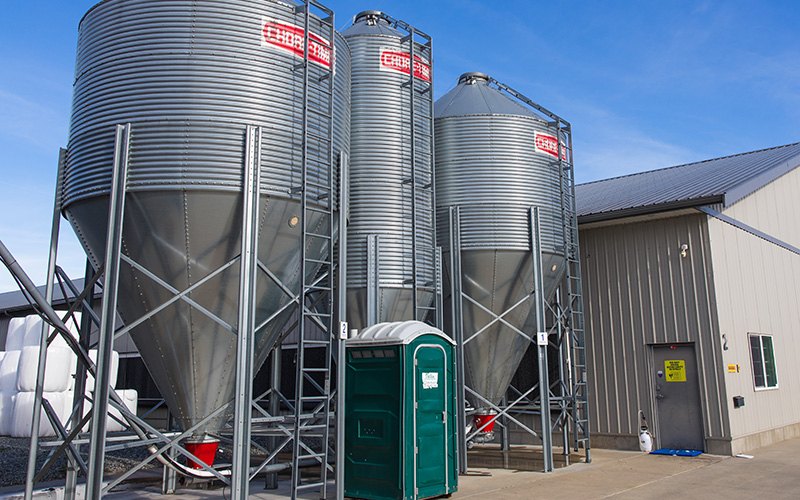
6. Check Feed Storage Before the Heat Arrives
Moisture in bins drives mold and mycotoxin growth — both hurt immunity and feed conversion. Coastal growers watch for rain infiltration. Interior growers deal with freeze-thaw stress on bin seals and joints.
Before your next delivery, inspect bin seams, lids, and auger boot seals. Clean out old feed residue. Make sure bin vents are screened. These are quick seasonal checks with a real payoff.
.
7. BONUS: Prepare Outdoor Areas (for Growers with Outdoor Access Flocks)
Free-range and Certified Organic growers — spring ranging is coming, but prep first. Timing varies: coastal growers may start earlier, while Interior growers should wait for stable conditions.
Walk fence lines for damage from groundwater saturation or frost-heave. Check range areas for early-emerging toxic plants. With wild bird activity elevated province-wide, consider delaying outdoor access until AI (Avian Influenza) risk settles. Confirm timing with your local vet or field service person.
The Seasonal Takeaway
Spring is a reset, no matter when it arrives. A little preparation goes a long way. Use the resources offered to you by vets and seminars, heed the cautions from CFC, lean on your Field Service Representative. Know that the work you do everyday matters for our industry and the BC families you feed.

Feedback? Send us your comments or questions at info@bcchicken.ca.
Special thanks to the BCCMB Field Service Representatives for their expert contributions. Special thanks to Mykalb Broiler Ltd for exemplary site maintenance featured in many of the photos.